
Building Management System
A Building Management System (BMS) is a centralized, automated system that controls and monitors various building operations such as heating, ventilation, air conditioning (HVAC), lighting, security, fire safety, and other essential services. The primary goal of a BMS is to improve the efficiency, safety, and comfort of a building while reducing energy consumption and operational costs. By integrating different systems into one platform, BMS allows building operators to have real-time data on performance, identify potential issues, and make informed decisions to optimize building operations. BMS systems are commonly used in commercial, industrial, and large residential buildings, ensuring that each component of the building operates harmoniously, reducing downtime and enhancing the overall user experience.
Fire Safety and Emergency Monitoring
- Fire Safety and Emergency Monitoring ensures the protection of occupants and property by detecting fires and other emergencies in buildings and facilities.
- Integrated systems such as fire alarms, sprinkler systems, gas-based suppression, emergency lighting, and exit signage provide rapid response and guide occupants to safety.
- Backup power and automated controls ensure that critical safety systems remain operational even during power outages.
- Fire safety systems are often connected with Building Management Systems (BMS) for centralized control and real-time monitoring.
- This emergency monitoring solution enables building managers to respond quickly, protecting people, assets, and infrastructure.

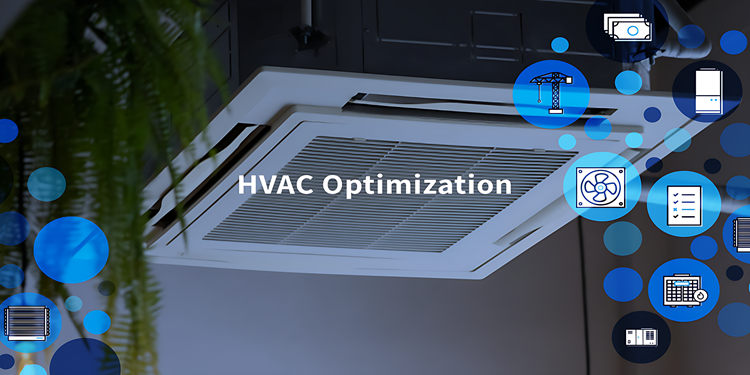
HVAC Control and Optimization
- HVAC Control and Optimization ensures efficient management of heating, ventilation, and air conditioning systems for optimal comfort and energy savings.
- Advanced HVAC automation and smart controls regulate temperature, humidity, and air quality in indoor spaces effectively.
- Monitoring airflow, heating/cooling loads, and system performance allows energy-efficient operation based on occupancy, weather, or time of day.
- Optimized HVAC systems provide consistent comfort while reducing energy costs and environmental impact.
- These HVAC optimization solutions improve indoor air quality, extend system lifespan, and enhance overall building efficiency.